Roof Waterproofing Chemicals: A Simple Way to Avoid Roof Leaks

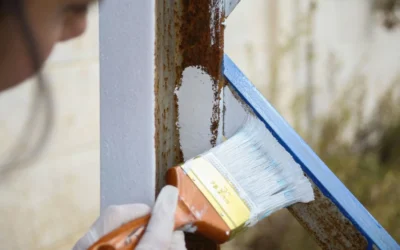
Most people don’t think about their roof until something goes wrong. Usually it starts small—maybe a faint damp patch or a bit of peeling paint. Nothing serious at first.
But over time, things get worse.
Roofs take constant exposure—rain, heat, temperature shifts. That slowly weakens the surface. Tiny cracks form, and once water finds its way in, it doesn’t really stop on its own.
That’s why roof waterproofing chemicals are used. Not as a temporary fix, but more as a way to stop the problem before it spreads.
At Aqueon Global, the idea is pretty straightforward—protect the roof early so you don’t deal with bigger repairs later.
So what are these chemicals, really?
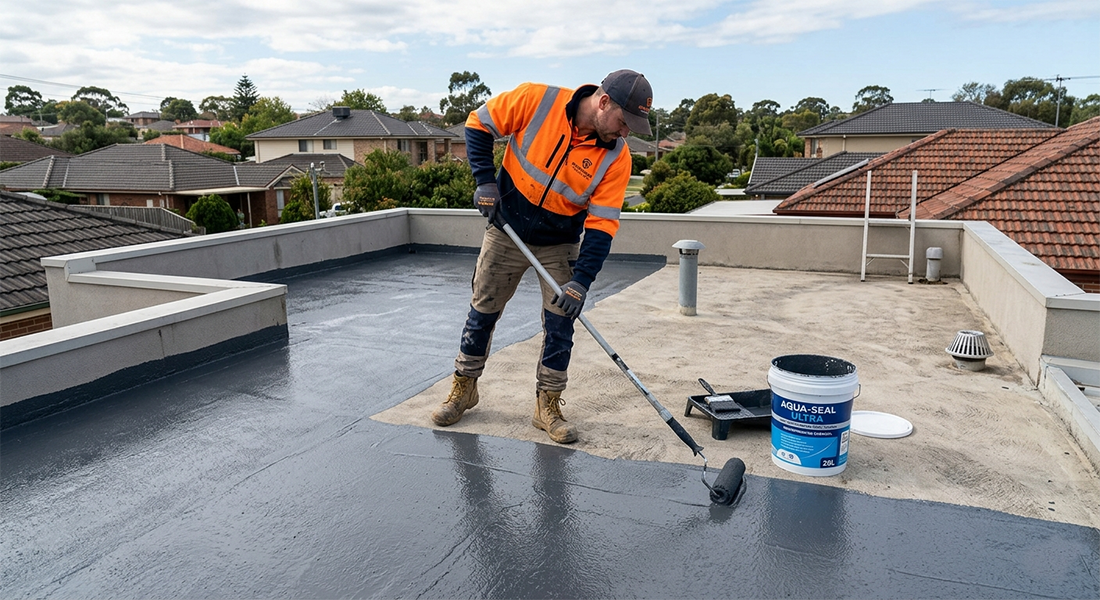
They’re basically coatings applied on the roof surface. Once applied, they form a layer that helps block water from entering.
They also:
- fill small cracks and gaps
- reduce how much water the surface absorbs
- add a bit of durability to the structure
One important thing—these coatings aren’t completely rigid. They have some flexibility, which matters because roofs expand and contract with temperature.
Why people usually regret skipping this step
A lot of buildings don’t have proper waterproofing from the start. And for a while, everything looks fine.
Then you start noticing:
- water marks on the ceiling
- cracks spreading slowly
- a damp smell that doesn’t go away
- paint bubbling or flaking
At that stage, you’re not preventing damage anymore—you’re just fixing symptoms.
Not all waterproofing is the same
Different roofs need different solutions. There isn’t a one-size-fits-all option.
- Acrylic coatings are common for homes. Easy to apply and decent for normal conditions.
- Polyurethane coatings are stronger and more flexible. Better for exposed roofs.
- Bituminous coatings handle water really well and are often used in industrial settings.
- Cement-based coatings are simple and work well on concrete slabs.
- Liquid membranes spread evenly and don’t leave joints, which helps on uneven surfaces.
The choice usually depends on how much exposure the roof gets and what kind of surface you’re dealing with.
What you actually get from waterproofing
It’s not just about stopping leaks (though that’s the main thing).
It also helps:
- reduce repeat repair work
- extend the life of the roof
- keep interiors dry
- avoid bigger structural problems later
In many cases, it ends up saving more money than it costs.
About Aqueon Global
There are plenty of waterproofing products out there. The difference usually shows after a year or two.
At Aqueon Global, the focus is on solutions that last longer and don’t need constant fixing. The goal isn’t just to cover the surface—it’s to make sure the protection actually holds up over time.
Works for homes, commercial spaces, even industrial roofs. Same idea—get it done properly once instead of repeating it.